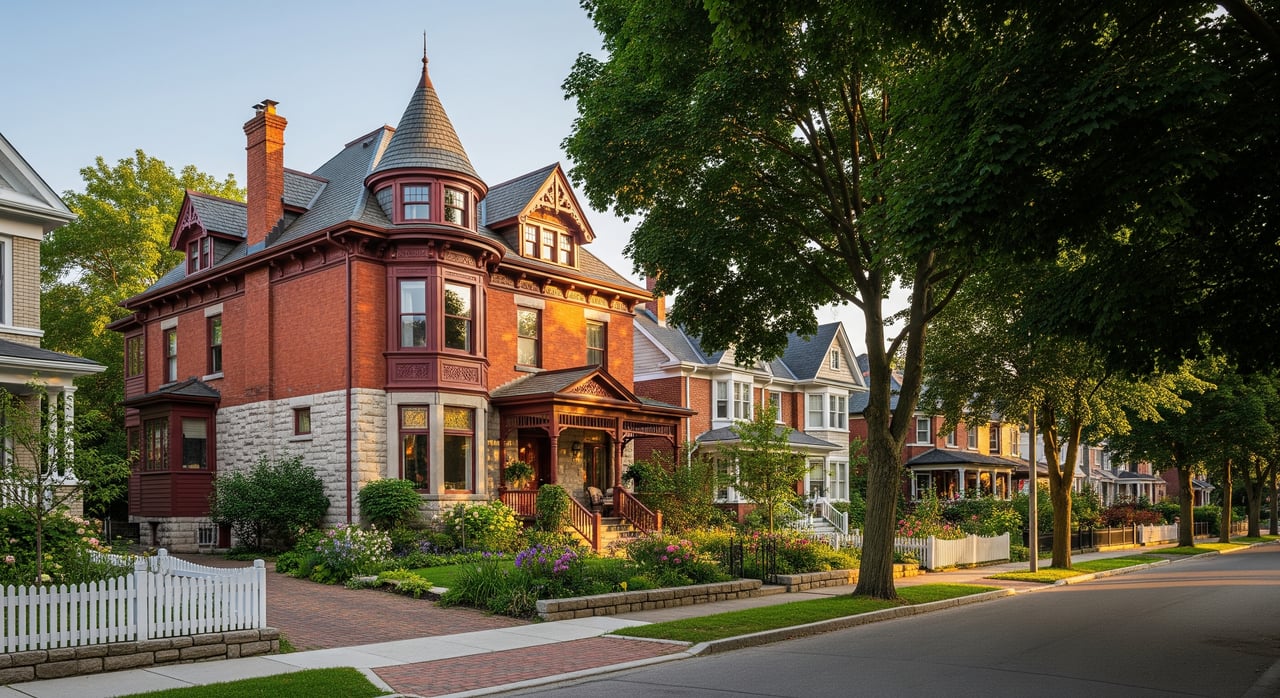
Do you love the look of tree-lined streets, welcoming front porches, and timeless façades that tell a story? If you are drawn to Old Oakville, you are not alone. Many buyers value its character, walkable downtown, and proximity to Lake Ontario. This guide will help you recognize the area’s architectural styles, understand heritage designations, plan renovations with confidence, and prepare smart next steps as a buyer or seller. Let’s dive in.
What defines Old Oakville
Old Oakville is the town’s historic core, centered on Lakeshore Road and the surrounding residential streets. You will find a rare mix of 19th and early 20th century homes, mature canopy trees, and a pedestrian-friendly scale that creates a cohesive streetscape. The result is a neighbourhood with lasting appeal and limited supply, which is why the details matter when you plan to buy, sell, or renovate here.
Architectural styles you will see
Old Oakville’s homes span several eras. Learning the visual cues will help you read listing photos and assess potential.
- Victorian influences, including simplified Gothic Revival and Italianate: asymmetrical façades, steep gables, tall narrow windows, and decorative brackets.
- Georgian and Classical Revival features on some early houses: symmetrical fronts, central doors with transoms or fanlights.
- Edwardian and Arts & Crafts or Craftsman elements: broader porches, lower-pitched roofs, exposed rafter tails, and mixed materials like brick and wood.
- Queen Anne accents on select properties: varied rooflines, bay windows or turrets, and decorative shingles.
- Later infill that sits back from the spotlight: newer homes often aim to look secondary to the historic street, especially within heritage districts.
Materials and details that signal heritage
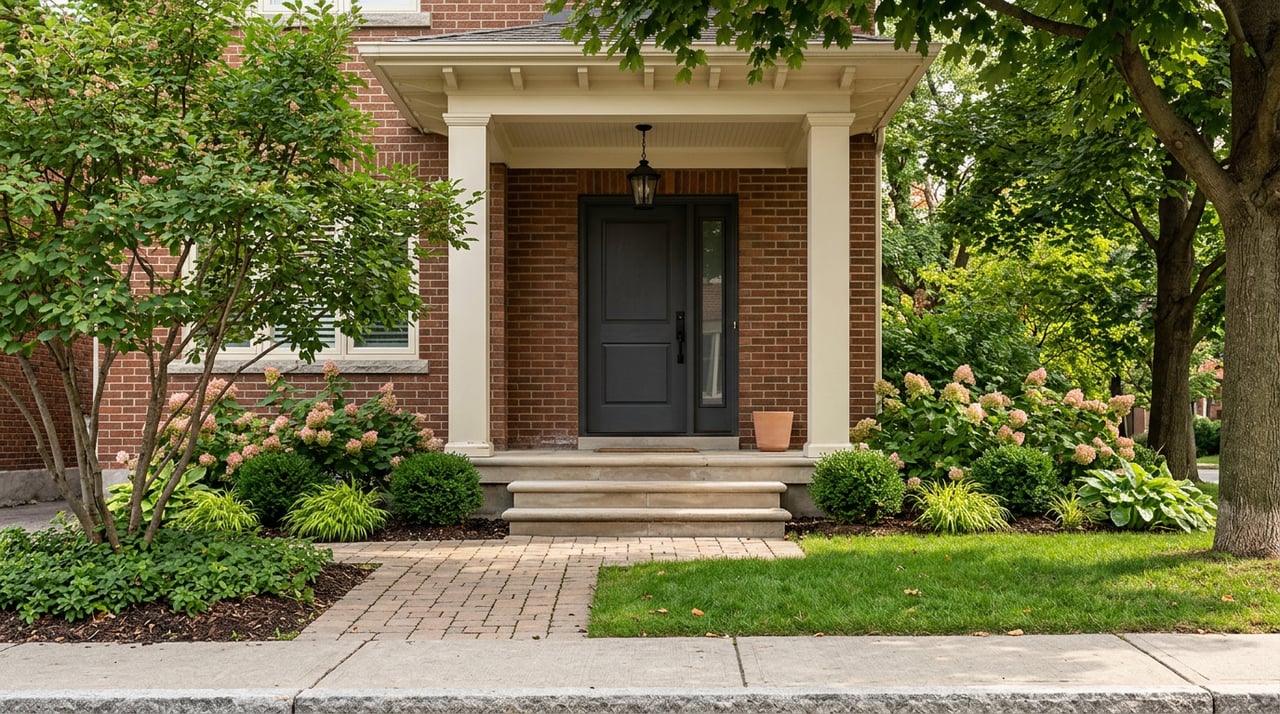
Many homes display period materials that shape Old Oakville’s character. Look for wood siding or clapboard, brick with stone foundations, slate or composite roof replacements, and detailed wood trim. Classic details include front porches with turned posts or tapered columns, bay windows, multi-pane over single-pane sash, decorative cornices, and transoms. Mature trees frame these façades and tie entire blocks together.
Streetscape essentials to notice
Old Oakville’s charm is not only about individual houses. The streets themselves tell the story.
- Consistent front setbacks with homes set closer to the sidewalk.
- Narrow to medium lot frontages that create a comfortable rhythm.
- Low front yards and welcoming porches that support walkability.
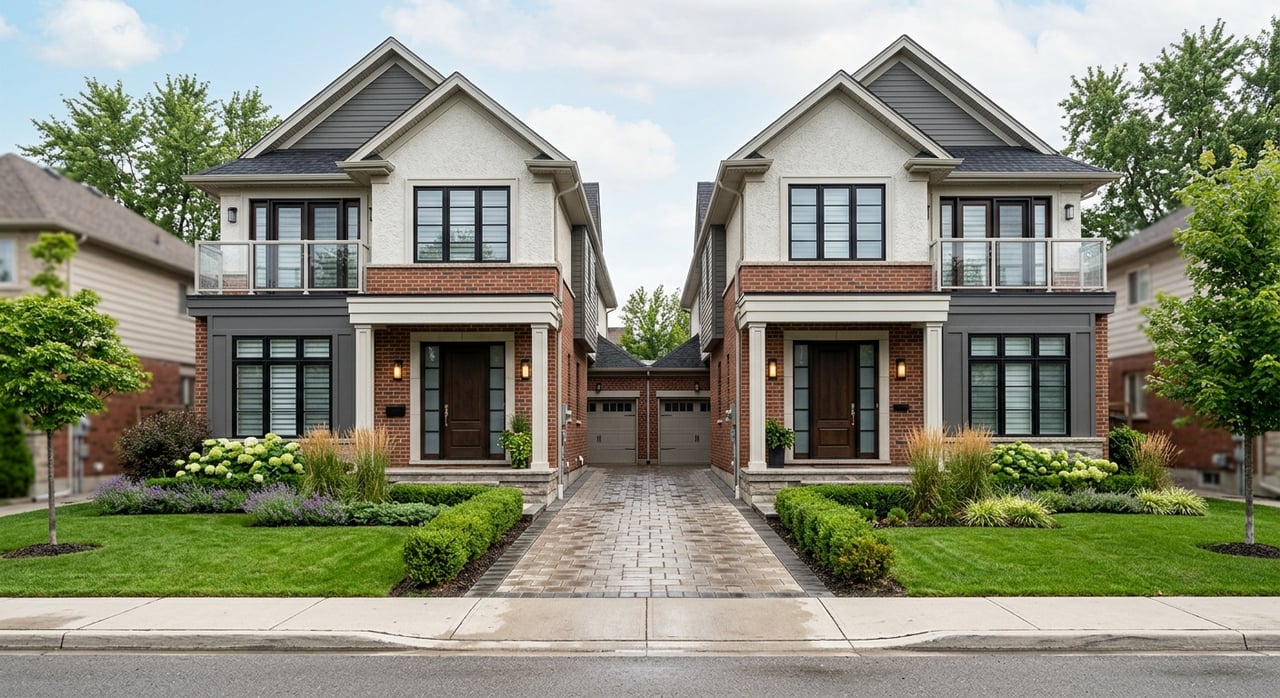
- Driveways and garages placed to the side or rear so they remain secondary in the view from the street.
- Historic lampposts, stone curbing, and varied sidewalk treatments in some locations that add texture to the public realm.
Heritage designations explained
Heritage status in Old Oakville flows from the Ontario Heritage Act and the Town’s local policies. You will encounter two main layers.
- Individual designation: protects specific heritage attributes listed in a by-law, commonly exterior features and sometimes interior elements.
- Heritage Conservation Districts, often called HCDs: cover defined areas with a plan and guidelines that shape changes visible from the street, streetscapes, and new construction.
These tools exist to conserve what you see from the public realm. Interiors are less commonly controlled unless a by-law lists interior features. Before you plan changes, confirm your property’s status and the applicable guidelines.
What heritage rules usually control
Heritage guidelines focus on keeping the look and feel of the street consistent while allowing thoughtful updates. In general, you can expect:
- Exterior alterations visible from the street to be reviewed for materials, window and door proportions, rooflines, porches, and setbacks.
- Additions and new builds to respect location, height, massing, and materials so they read as sympathetic rather than dominant.
- Demolition to require approval. Municipalities can refuse or set conditions for designated properties and those within an HCD.
- Interiors to remain flexible unless explicitly protected. Always verify the designation by-law and the district plan.
How approvals work
Plan ahead for a smoother experience. A typical process includes:
- Pre-consultation with Town heritage planning staff to discuss concepts and likely pathways.
- A formal application with drawings and material details for a heritage permit or alteration request.
- Staff review and, where applicable, input from an advisory heritage committee.
- A decision by staff under delegated authority for minor work or by council for major changes such as demolition.
Review can extend timelines beyond a standard building permit. Start early and factor in design development, potential committee dates, and material lead times.
Lot patterns and how they affect plans
Historic lots in the core are often narrower and more regularly spaced than suburban parcels. Many have modest front yards, which keeps the streetscape intimate. On the periphery you may see larger or deeper lots, including select waterfront properties. Lot fabric can be irregular due to incremental changes over time, so confirm dimensions and any easements before you design an addition or new garage.
Common renovations in Old Oakville
Owners regularly modernize interiors while respecting the exterior character. Here is what you will often see and what to consider.
- Interior upgrades: kitchen, bath, and mechanical updates are usually straightforward if they do not affect protected features.
- Rear or side additions: a favored way to add space while keeping the primary façade intact. Additions should be set back and subordinate in scale.
- Façade restoration: repainting, masonry repointing with matching mortar, porch repair, and trim work are encouraged when done with conservation methods.
- Windows: original wood windows can be character-defining. Repair and historically appropriate replacements are often preferred to wholesale changes visible from the street.
- Basement or attic conversions: common for extra living area, subject to building code and any exterior changes that would trigger heritage review.
- Driveways and garages: widening or moving driveways and street-facing garage doors can be restricted to maintain the rhythm of the block.
Costs and tradeoffs to expect
Conservation-grade work often uses specialized trades and materials, which can increase costs. Designing a sympathetic addition may involve more design time and careful detailing. The benefit is lasting market appeal. Properties that retain authentic elements and present thoughtfully tend to compete well in heritage-focused markets.
Best practices for smooth projects
A little preparation goes a long way. Consider these steps before you engage a contractor.
- Meet with Town heritage planners early to confirm requirements.
- Commission a conservation assessment or heritage impact statement for larger changes.
- Aim for reversible and legible additions that respect the original massing while remaining clearly new.
- Use appropriate maintenance techniques, such as matching mortar for repointing.
- Keep organized records of permits, approvals, and work done. Buyers value well-documented history.
Buyer due diligence checklist
If you are buying in Old Oakville, add these items to your plan:
- Verify heritage status, including any individual designation and HCD boundaries.
- Obtain and review the district plan and relevant guidelines for exterior changes, additions, driveways, and garages.
- Order a thorough condition assessment that covers roof, foundation, drainage, and mechanical systems.
- Request prior heritage and building permits, drawings, and any grant records.
- Check for shoreline or flood-related constraints with the local conservation authority and confirm any permit triggers.
- Confirm what approvals your intended renovations would require and discuss likely timelines with a heritage planner.
- Review insurance considerations for older construction and specialty materials.
Seller prep and disclosure
Selling a heritage property rewards preparation. You will help buyers move forward with confidence when you:
- Gather the designation by-law, HCD references, and all prior approvals in one package.
- Address minor conservation maintenance that aligns with district guidance.
- Disclose any open permits, compliance items, or known heritage conditions early in the process.
Shoreline and hazard considerations
If a property is near the waterfront or in a regulated area, additional permissions may apply. Check local conservation mapping for floodplain or slope hazards and factor these into design scope, timing, and insurance. Early coordination prevents redesigns and delays later.
How to move forward with confidence
Buying or selling in Old Oakville is as much about stewardship as it is about value. When you understand the architectural language, the heritage framework, and the approval process, you can make choices that honor the streetscape and serve your goals. If you would like senior-level guidance, market context, and access to trusted conservation-savvy trades, connect with the team that lives this neighbourhood every day. Reach out to Niblock Real Estate to start a conversation.
FAQs
What does an HCD mean for exterior changes?
- Properties in a Heritage Conservation District typically need heritage review for visible exterior work such as windows, doors, porches, rooflines, and additions.
Can I modernize the interior of a heritage home?
- Interior updates are generally flexible unless a designation by-law lists interior features. Confirm status before starting work.
Can I demolish and rebuild in Old Oakville?
- Demolition for designated properties or those in an HCD is tightly controlled. Approval is not guaranteed and the process can be lengthy.
How do heritage rules affect project timelines?
- Heritage review adds steps to the permit process, which can extend timelines. Early pre-consultation and complete drawings help keep things on track.
Are there incentives for conservation work?
- Some municipalities offer grants, tax relief, or technical support. Availability varies, so check with Town heritage staff for current programs.
What should I check before buying a heritage home?
- Verify designation status, read the HCD guidelines, review prior permits, obtain a condition assessment, and confirm approvals for planned renovations.