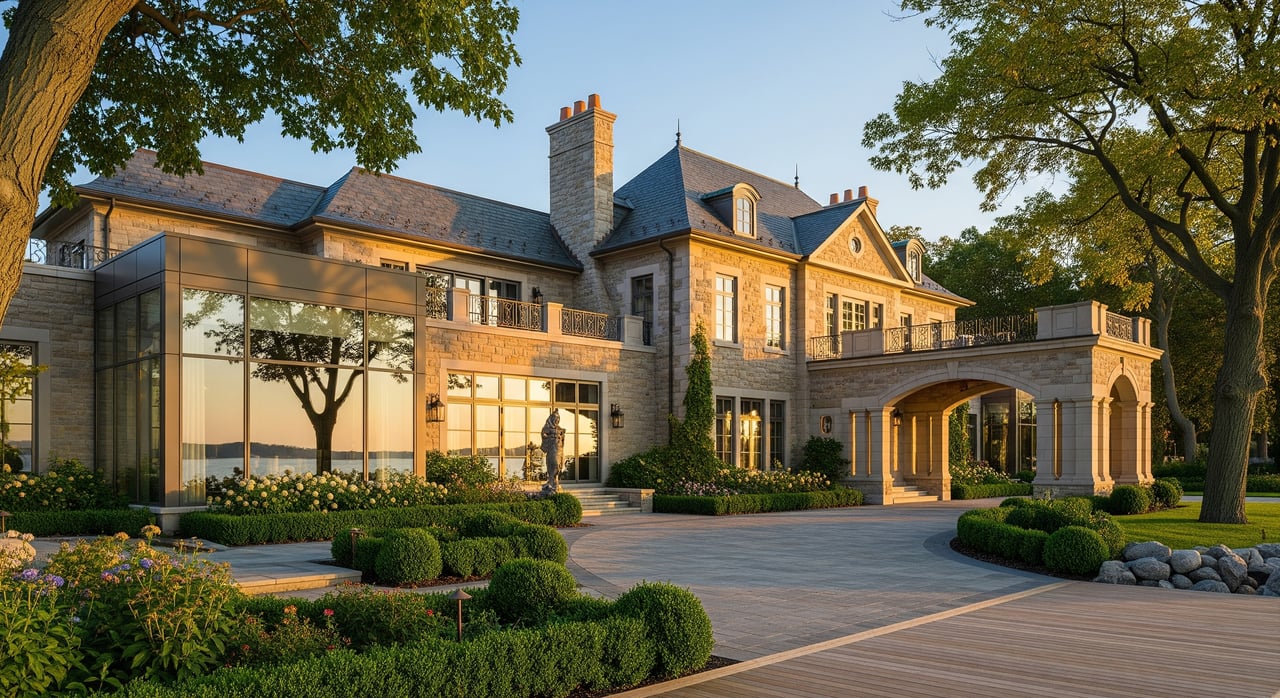
What if the biggest drivers of Oakville’s luxury market are hiding in plain sight? If you are exploring a purchase or planning a sale, it can feel like there are dozens of variables to juggle. The truth is, a handful of forces consistently shape prices, timelines and outcomes here. In this guide, you will learn what actually moves Oakville’s high end and how to use those insights to evaluate listings with confidence. Let’s dive in.
The forces behind Oakville luxury
Location and access
Oakville’s location keeps demand steady. Quick access to Toronto and Mississauga via the QEW and GO rail attracts professionals who want space and privacy without giving up a manageable commute. That combination supports a deep pool of high-income buyers who shop in the top tier.
Scarcity of premium land
Waterfront parcels, mature estate lots and deep lots are physically limited. You cannot easily create more true lakefront or replicate the feel of a treed, oversized lot near the lake. This scarcity supports price resilience, especially when comparable inventory is thin.
Prestige amenities and lifestyle assets
Marinas, harbour districts, golf corridors, boutique downtown streets and private clubs concentrate luxury demand. You also see a parallel segment for low-maintenance living in luxury condos and townhomes near Lakeshore and transit. These clusters create distinct micro-markets with their own pricing patterns.
Regulatory and environmental constraints
Heritage conservation districts and the Ontario Heritage Act protect character areas like Old Oakville. On the shoreline, Conservation Halton’s rules around setbacks and floodplains add layers to any rebuild or improvement. These factors limit rapid redevelopment and influence both pricing and timelines.
Custom builds and infill supply
Tear-down and custom-build activity is a major source of new luxury inventory. Projects hinge on land value, design guidelines, lot coverage, development charges and construction costs. Approvals often take months, and costs for high-end materials and trades set a high bar for feasibility.
Financing and macro sentiment
Luxury buyers often use substantial equity or cash, but mortgage rates, stress tests and lending standards still affect affordability and velocity. Confidence in capital markets and tax policy also plays a role in how quickly deals come together at the top end.
Cyclical patterns and timing
High-end inventory turns more slowly than the broader market. Listings often cluster in spring and summer, and some sellers test off-market before going live. Because volumes are smaller, months of inventory and days on market can look different than mainstream metrics.
What this means for waterfront
Waterfront’s premium rests on three realities: unmatched setting, strict rules and thin supply. Per-square-foot values tend to be higher thanks to views and dock potential. At the same time, shoreline protection and erosion controls can lengthen timelines for renovations or expansions.
Liquidity can be lumpy. With fewer true lakefront options, the right buyer may move quickly, yet marketing times can be longer if the fit is specific. If you are buying, budget for higher insurance and maintenance, and confirm what is permitted along the shore. If you are selling, spotlight uniqueness with specifics like mooring, frontage, orientation and privacy buffers.
Heritage and character areas
Heritage designations protect streetscapes and historic architecture. In practical terms, you may be able to modernize interiors while facing restrictions on exterior changes or demolition. If your goal is a large, contemporary build, prioritize non-heritage lots or confirm demolition feasibility early.
Buyers who value character often prize provenance, craftsmanship and walkable access to downtown amenities. Sellers of heritage homes should prepare documentation on past permits and approved work. Clear records help buyers proceed with confidence.
Oakville micro-markets at a glance
Old Oakville and Lakeshore corridors
You will find character homes, historic streets and boutique luxury condos. Walkable access to shops, dining and the marina is a core draw. Heritage guidelines mean fewer opportunities for large-scale new builds on intact streetscapes.
Bronte Village and Bronte Harbour
Expect harbourfront condos, lake-access homes and a vibrant village core. Direct water access commands premiums, and shoreline rules apply. Inventory can be tight, so like-for-like comparisons are essential.
South Oakville and Morrison pockets
Larger modern homes, some estate lots and access to ravines define this area. You will see both established properties and targeted tear-downs on suitable lots. Municipal design and lot coverage rules guide what is possible.
West Oakville, Palermo and north fringe
Newer master-planned communities, custom homes on newer lots and select mid-rise options offer a more predictable product. You trade historic charm for modern layouts and infrastructure. Resale timelines vary by pocket and competition.
Glen Abbey and golf corridor
Homes near golf amenities offer mature landscaping and privacy. Addresses near prestigious courses carry their own appeal. Zoning and community context can shape redevelopment potential.
How to apply the drivers as a buyer
Identify the product type
- Waterfront: premium views and limited supply, with added permitting complexity.
- Heritage: protected character and curated changeability.
- Tear-down candidate: land value and feasibility drive decisions.
- New custom or recent rebuild: modern systems, higher replacement cost baseline.
Verify permissions and restrictions
- Check for heritage conservation status and any exterior change limits.
- Confirm shoreline setbacks, floodplain status and required permits.
- Review lot coverage, height limits and any site-specific bylaws.
Add realistic carry costs
- Model property taxes, utilities and insurance for the larger footprint.
- Budget for higher renovation or maintenance costs in luxury finishes.
- For waterfront, include shoreline maintenance and specialty coverage.
Match your financing to your plan
- Clarify lending options for higher loan amounts and rate holds.
- If rebuilding, account for permit lead times and construction draws.
- Keep contingency reserves for materials price swings and scope changes.
Use like-for-like comparables
- Compare waterfront to waterfront, estate lot to estate lot.
- Segment by lot size, orientation and age of improvements.
- Track days on market and price adjustments for similar properties.
How to apply the drivers as a seller
Lead with uniqueness
- Highlight non-fungible features like frontage, dock potential, orientation and privacy.
- Tell the property’s story with provenance, notable design and landscape details.
- Use professional presentation to convey quality and care.
Time and stage the launch
- Consider a quiet pre-market period to qualify interest, then full exposure in peak season.
- Align timing with competitive inventory and expected buyer activity.
- Plan for longer cycles in the high end and maintain momentum with fresh assets.
Prepare documentation
- Gather permits, surveys, heritage correspondence and shoreline approvals.
- Provide records for renovations, mechanical upgrades and warranties.
- Anticipate buyer consultants and organize access for inspections.
Price with supply in mind
- Calibrate to the current months of inventory in your micro-market and segment.
- Acknowledge new custom builds coming to market that compete on finish and layout.
- If inventory is thin for your exact product, scarcity can support firmer pricing.
Red flags to check early
- Heritage designation that limits exterior alterations or demolition.
- Shoreline easements, floodplain status or conservation authority constraints.
- Title encumbrances or right-of-way issues that affect use or privacy.
- Recent zoning changes or planning approvals that alter neighbourhood context.
- Evidence of unpermitted structural or shoreline work.
Metrics to watch
- Months of inventory for the top 5 to 10 percent of sales by price.
- New luxury listings versus closed sales to gauge velocity.
- Average days on market and sale-to-list ratios for true comparables.
- Single-detached building permits and permit values as a proxy for custom activity.
- Split the data: waterfront versus non-waterfront luxury pricing and timelines.
- Lending rates and availability for higher loan amounts.
Defining luxury in Oakville
There is no single cut-off. A practical approach is to track the top 5 to 10 percent of closed prices or set a consistent price threshold based on recent MLS activity. The key is consistency. Use the same definition each month so your trendlines are meaningful.
Bringing it together
When you strip away the noise, Oakville’s luxury market is shaped by location, scarcity, rules and replacement costs. Waterfront and heritage create clear premiums and constraints, while custom builds set a modern benchmark that influences pricing for renovated stock. Your best outcomes come from segmenting correctly, verifying permissions early and aligning your plan with micro-market supply.
If you want a discreet, senior-led strategy for buying or selling in Oakville’s premium neighbourhoods, connect with Niblock | Avis. Our team pairs hyper-local expertise with curated marketing to help you navigate heritage, shoreline and custom-build considerations with confidence. When you are ready, reach out to Niblock Real Estate to book your Discovery Call.
FAQs
Are waterfront homes safer investments in Oakville?
- Waterfront scarcity and amenities support long-term value, but you should budget for higher insurance, maintenance and permitting requirements that can affect costs and timelines.
How much do heritage rules limit changes to a home?
- It depends on the designation, but many heritage properties allow interior updates while restricting exterior changes or demolition. Confirm specifics with the Town before planning work.
Do higher interest rates slow Oakville’s luxury market?
- Higher rates reduce borrowing power and can slow some demand, yet many luxury buyers use significant equity or cash, so sensitivity is different than entry-level segments.
Should I choose a character home or a new custom build?
- Character homes offer location and historic details but may require regulated renovations. New custom builds deliver modern layouts and systems but involve higher costs and longer timelines. Your budget, timeline and tolerance for permits should guide the choice.