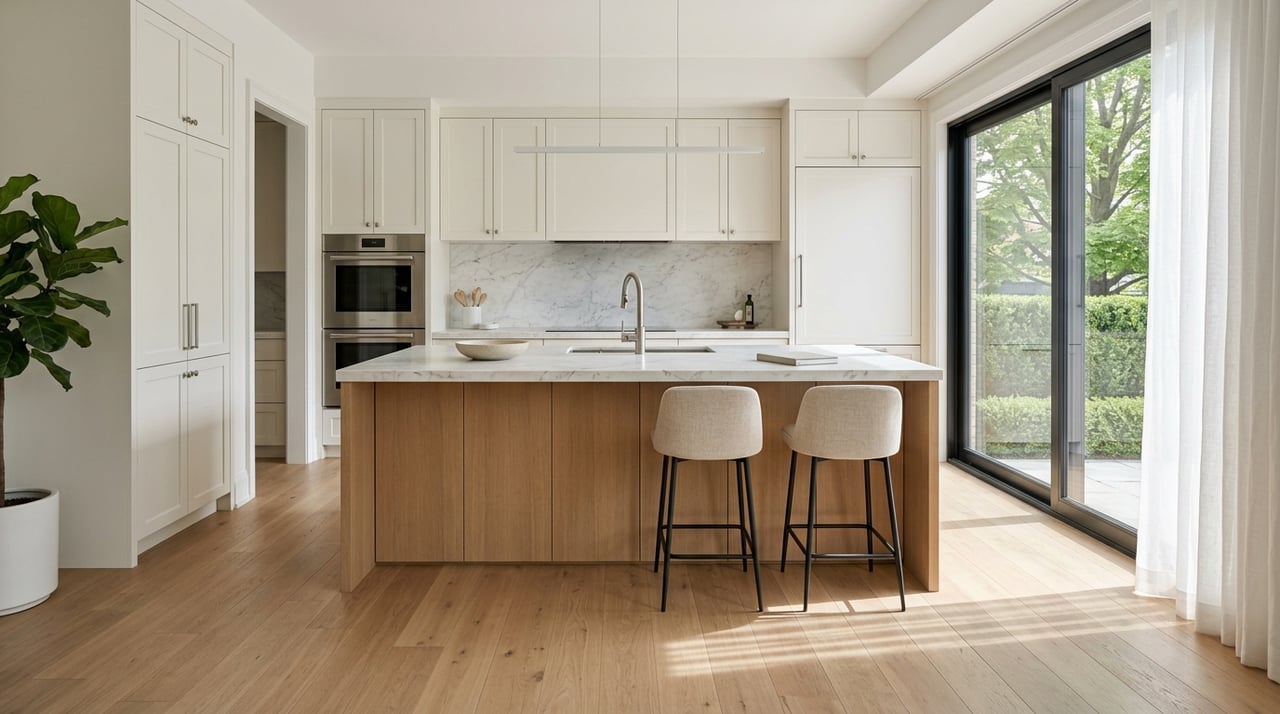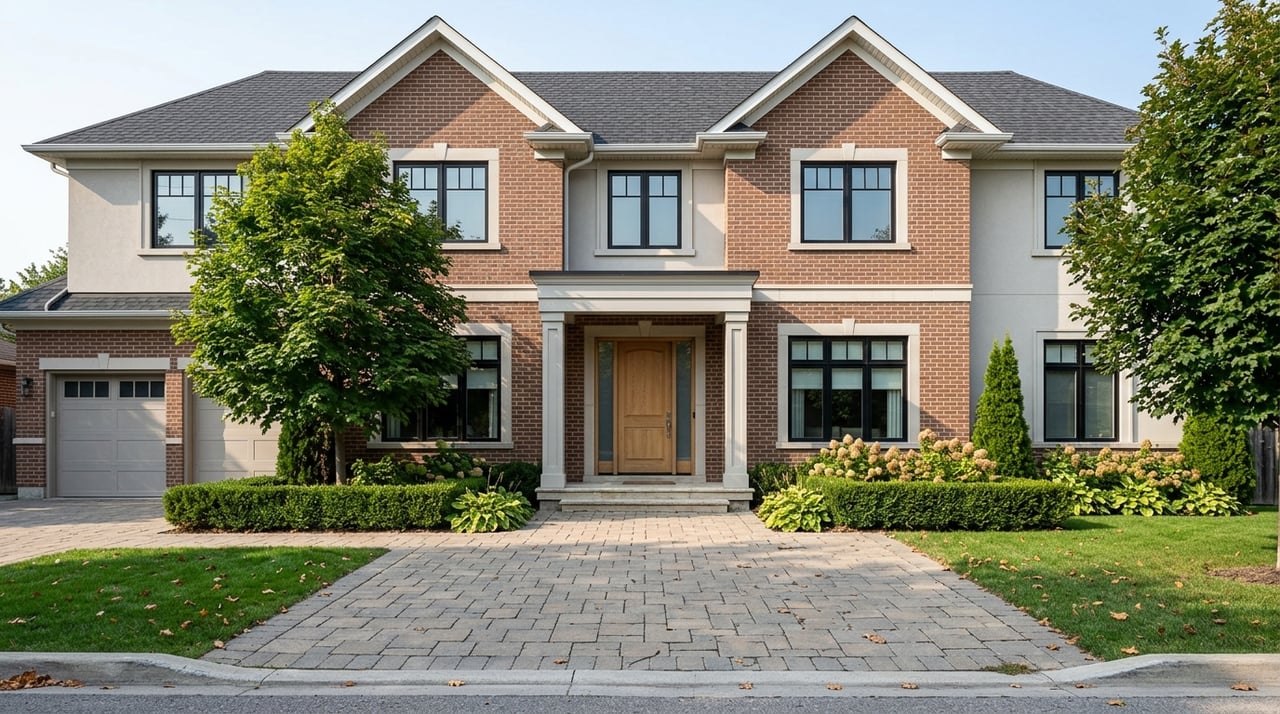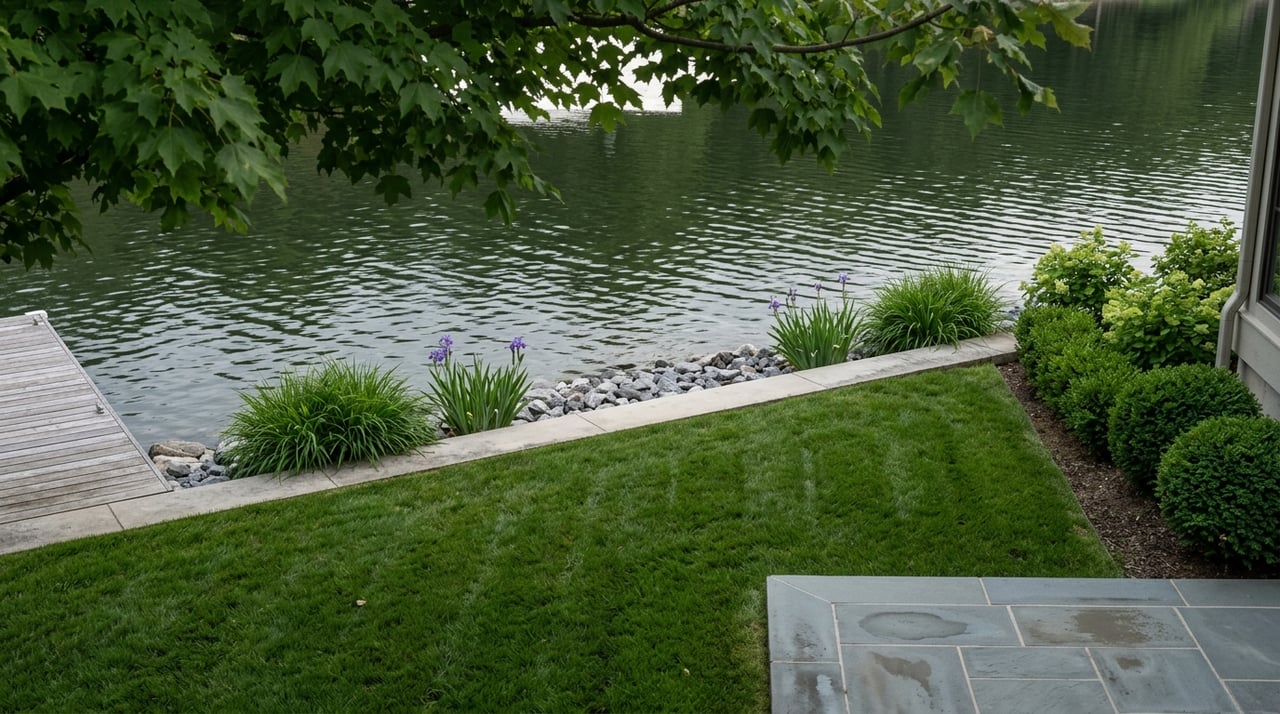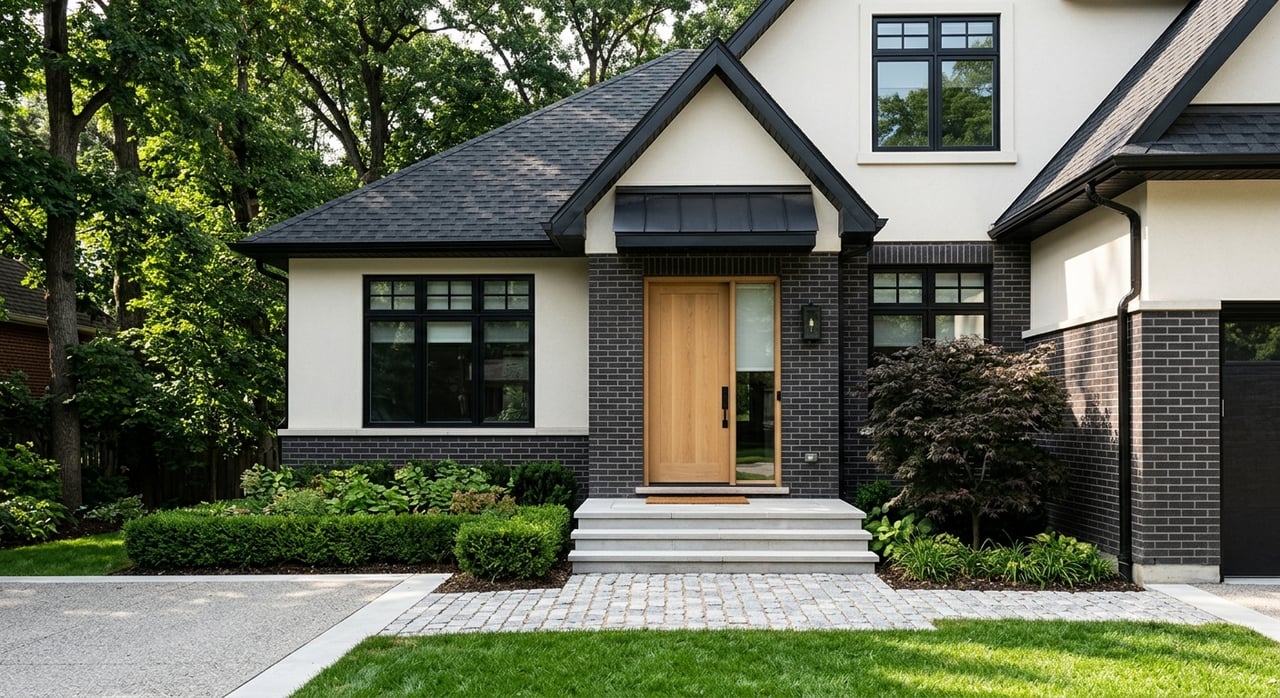
If you have been watching West Oakville for a while, you have probably noticed that it is not changing all at once. Instead, it is evolving one lot, one renovation, and one replacement home at a time. For buyers and owners who are drawn to custom homes, that slow transformation matters because it shapes what is possible, what fits, and where the best opportunities tend to appear. Let’s take a closer look at how West Oakville is evolving for custom homes.
West Oakville changes lot by lot
West Oakville is still part of Oakville’s stable residential fabric, even as the Town updates its housing policies. In April 2026, Oakville approved new housing policies while keeping character-protection policies for existing Residential Areas in place. That means the story here is not rapid intensification on every street, but thoughtful change that is expected to fit the surrounding neighbourhood.
This planning direction is especially important in south-of-Dundas areas, where the Town’s South Oakville residential zoning review has focused on detached and semi-detached homes in low-density zones. The review was updated through June 15, 2026 and responds to concerns about compatibility when owners rebuild, renovate, or add features like decks, pools, basement apartments, and additions. In practical terms, custom-home activity in West Oakville is shaped as much by fit and approvals as by design ambition.
Why custom-home demand remains strong
One reason West Oakville continues to attract custom-home interest is simple: new low-density land supply is limited. Oakville’s Housing Strategy says 64% of the current housing stock is low-density, while most homes in the development pipeline are apartments. Only 11% of pipeline units are single and semi-detached homes.
That imbalance helps explain why buyers interested in a detached custom property often look to existing lots rather than brand-new subdivision supply. In West Oakville, the opportunity is usually found in older homes, major renovations, or complete replacement houses. For a design-conscious buyer, that creates a very different search process than shopping a new master-planned community.
Older lots shape the opportunity
West Oakville’s appeal for custom homes is closely tied to its physical fabric. Oakville’s Residential Character Study describes south-of-Dundas neighbourhoods as primarily post-1950 suburban development. In areas developed before 1980, the housing mix often includes bungalows, side splits, back splits, and two-storey homes on a range of lot sizes, often with mature trees and a blend of original houses, additions, and replacement homes.
That mix is part of what gives West Oakville its flexibility. When you see varied house forms, mature landscaping, and streets that have already absorbed some change, you are often looking at a setting where custom redevelopment feels more natural. It also means no two opportunities are exactly alike.
The same study found significant concentrations of building permits and Committee of Adjustment applications south of the QEW and south of Upper Middle Road. That pattern suggests that many established Oakville streets are already experiencing meaningful reinvestment through additions and rebuilds. In West Oakville, this supports the idea that evolution is ongoing, but carefully layered into the existing streetscape.
What makes a lot custom-home friendly
Not every older property is equally well suited to a custom build. In West Oakville, some of the strongest signals are the ones you can see before any plans are drawn.
Lot geometry matters
Lot width, depth, and overall shape can have a major effect on what can be built. Zoning controls things like lot size, parking, building height, side yard dimensions, and the setback from the street. If your vision pushes beyond those limits, you may need a minor variance or a more involved planning application.
Tree canopy can affect design
Mature trees are part of West Oakville’s appeal, but they can also be a real constraint. Oakville requires a permit for healthy private trees that are 15 cm DBH or larger, and construction-related removals often require an arborist report. If a lot has strong tree coverage, your building envelope and site plan may need to adapt around it.
Street context helps signal fit
The surrounding block matters just as much as the lot itself. If nearby homes include tasteful additions or replacement houses, that can indicate a street where custom redevelopment has already begun to shape the character. If the streetscape is more uniform, the planning path may require even more attention to compatibility.
Renovation or rebuild?
For many owners and buyers, the first big question is whether to improve what is there or start over. In West Oakville, that decision usually comes down to the relationship between the existing house and the site constraints. A home may be a strong renovation candidate if it can be meaningfully updated while staying within setback, height, lot-coverage, and tree-retention limits.
A rebuild often becomes more attractive when the existing structure does not make efficient use of the lot or when the desired layout, massing, and design simply cannot be achieved through addition work. The Town’s South Oakville review was triggered in part by concerns about compatibility in renovations and additions, which shows how closely these choices are watched. In other words, renovation and rebuild decisions here are not just personal or financial. They are also planning and context decisions.
Approvals are part of the story
In West Oakville, custom homes are not only about architecture. They are also about process. Before committing to a lot or a design direction, it is important to understand what the approval path may look like.
In some cases, a project may fit zoning and move forward through the building permit process. In others, the proposal may require a minor variance, a zoning by-law amendment, or another formal planning application. Oakville’s planning framework makes clear that larger redevelopment can involve official plan amendments, zoning amendments, and even subdivision-related approvals depending on the scope.
That is one reason local market guidance matters so much in this segment. A beautiful lot can still come with practical limitations, and a modest-looking property can sometimes hold more potential than first impressions suggest.
West Oakville is not Bronte
It helps to understand West Oakville in the context of nearby areas, because not all custom-home markets in Oakville evolve the same way.
West Oakville
West Oakville is best understood as a lot-by-lot custom and rebuild market. Older homes, mature landscaping, varied streets, and replacement-home potential define much of the opportunity. If you are looking for a property where individual site characteristics drive the upside, this is the core appeal.
South West Oakville
South West Oakville includes some one-off rebuild activity, but it also shows more visible redevelopment on larger or formerly institutional sites. Town materials cite approved detached-home subdivisions at 1215 and 1221 Lakeshore Road West and a former school site at 2123 Hixon Street rezoned for 14 single-detached homes and a parkette. That gives buyers a mix of individual-lot opportunities and more planned new-build enclaves.
Bronte
Bronte is evolving on a different track. The Town is treating Bronte Village as a mixed-use growth area with a commercial core and a variety of housing options, and it is preparing a Community Planning Permit system to streamline approvals there. Detached housing still appears in the broader Bronte area, but often as part of larger mixed-density redevelopment rather than isolated custom lots.
What this means for buyers
If you want a custom home in West Oakville, the search is often less about finding a finished product and more about identifying the right conditions. Lot shape, tree canopy, surrounding streetscape, and evidence of nearby reinvestment can all be more important than the current house itself. In many cases, you are really buying future potential.
This is where a neighborhood-by-neighborhood lens becomes valuable. A property that looks ordinary on paper may stand out once you understand the block pattern, lot context, and planning fit. For buyers focused on architecture, layout, and long-term value, West Oakville rewards careful analysis.
What this means for sellers
If you own in West Oakville, your property may appeal to more than one buyer profile. Some buyers will value a move-in-ready home, while others will see the lot, the trees, the frontage, and the street context as the real opportunity. How your home is positioned in the market should reflect that difference.
For premium properties, strong marketing is not just about square footage or finishes. It is also about telling the right story around the lot, the setting, and the redevelopment potential that fits local planning realities. In a market shaped by nuance, presentation and pricing strategy need to match the micro-location.
The real evolution in West Oakville
West Oakville is not evolving through sweeping change. It is evolving through careful reinvestment in an established neighbourhood pattern. That is exactly what makes the area compelling for custom-home buyers and strategic for owners.
The opportunity here lies in understanding how change happens within a stable residential framework. When you read the lot, the streetscape, and the planning context correctly, West Oakville starts to make sense as one of Oakville’s most interesting custom-home markets. If you are considering a purchase, sale, renovation, or rebuild in this area, Niblock Real Estate can help you assess the opportunity with a local, design-aware perspective.
FAQs
What makes West Oakville attractive for custom homes?
- West Oakville offers older housing stock, varied lot sizes, mature trees, and an established pattern of additions and replacement homes, which can create strong lot-by-lot custom-home opportunities.
How is West Oakville changing compared with Bronte?
- West Oakville is evolving mainly through individual rebuilds, renovations, and replacement homes, while Bronte includes more mixed-use and broader master-planned redevelopment.
Do West Oakville custom homes need planning approvals?
- Some projects may fit existing zoning, but others may require a minor variance, zoning by-law amendment, or other formal planning application depending on the proposal.
Why do trees matter for West Oakville rebuilds?
- Mature private trees can affect site design because Oakville requires permits for healthy private trees 15 cm DBH or larger, and removals related to construction often need an arborist report.
Is West Oakville better for renovation or rebuild projects?
- It depends on the lot and the existing home, but the choice usually comes down to whether the property can be improved within zoning, setback, height, lot-coverage, and tree constraints.
What should buyers look for in a West Oakville lot?
- Buyers should pay close attention to lot geometry, tree canopy, the surrounding street context, and whether nearby blocks already show additions or replacement homes.